
In the rich and diverse world of classical music, few genres are as intimate and expressive as the art song, as we call it when sung in English, also known as German Lieder or French Chant. Often bridging the gap between poetry and music, the art song is a genre that has captivated composers, performers,…
In the rich and diverse world of classical music, few genres are as intimate and expressive as the art song, as we call it when sung in English, also known as German Lieder or French Chant. Often bridging the gap between poetry and music, the art song is a genre that has captivated composers, performers, and audiences for centuries. But what exactly defines an art song, and what makes this genre so unique? In this blog post, we’ll explore the art song’s history, characteristics, and significance within the broader context of classical music.
What is an Art Song?
An art song is a type of vocal composition that combines a poem with music, usually written for solo voice and piano accompaniment. Unlike other forms of vocal music, such as operatic arias or choral works, art songs are typically more personal and introspective. The genre focuses on the marriage of poetry and music, where the music serves to enhance and reflect the emotional nuances and meaning of the lyrics.
While the term “art song” can be applied broadly, it is most often associated with the 19th-century European tradition, particularly in the works of German, French, and English composers. These songs were composed for the educated bourgeoisie, and often performed in private settings or small recitals rather than large public concerts.
A Brief History of the Art Song
The origins of the art song can be traced back to earlier forms of vocal music, but it came into full flower during the Romantic era of the 19th century.
- The German Lied Tradition: The German Lied (the German word for “song”) is perhaps the most famous subset of the art song genre, with composers such as Franz Schubert, Robert Schumann, Johannes Brahms, and Hugo Wolf leading the way. These composers took inspiration from German poets, including Goethe, Heine, and Rückert, creating songs that were both highly emotional and musically sophisticated. Schubert’s Lieder cycles, such as Winterreise and Die schöne Müllerin, are among the most iconic works in the genre, showcasing the deep connection between music and the written word.
- French Mélodie: In France, the genre took on a slightly different form, known as the mélodie. Composers like Chausson, Fauré, and Duparc developed the French art song tradition, infusing it with a distinctive sense of elegance and refinement. The mélodie often employed more intricate harmonies and was often performed in more intimate, salon-style settings.
- English Art Song: In England, composers such as Roger Quilter, Ralph Vaughan Williams, and Gerald Finzi contributed to the art song tradition, blending English folk music with more classical forms. These songs often have a pastoral quality, with lyrics taken from poets like Shakespeare, Tennyson, and Wordsworth.
Key Characteristics of the Art Song
While art songs can vary widely in style and content, they share several core characteristics that make them stand out in the world of classical music:
- Solo Voice and Piano Accompaniment: The most defining feature of the art song is its structure: a solo voice is accompanied by the piano. While the piano is often relegated to a supporting role in larger vocal works (like operas or oratorios), in the art song, the piano plays an equally important role in shaping the song’s mood, texture, and meaning.
- Musical Setting of Poetry: At the heart of every art song is its poetry. Composers choose a poem, often by a well-known writer, and set it to music in a way that reflects the emotional tone and meaning of the words. The music is crafted to amplify the poetic imagery, whether through expressive harmonic choices, dynamic contrasts, or rhythmic pacing.
- Expressiveness and Intimacy: Unlike the grand scale of operatic arias or choral works, art songs tend to be more intimate and personal. They often express deep emotions—love, longing, despair, or joy—and are typically performed in small, private settings, such as salon recitals or intimate concerts.
- Variety in Form: Art songs come in many forms, from simple strophic songs (where each verse of the poem is set to the same melody) to more complex through-composed works (where the music continuously evolves to reflect the unfolding of the poem). Some composers also created song cycles, which are collections of songs linked by a common theme or narrative, such as Schubert’s Winterreise or Hugo Wolf’s Mörike-Lieder.
The Role of the Piano
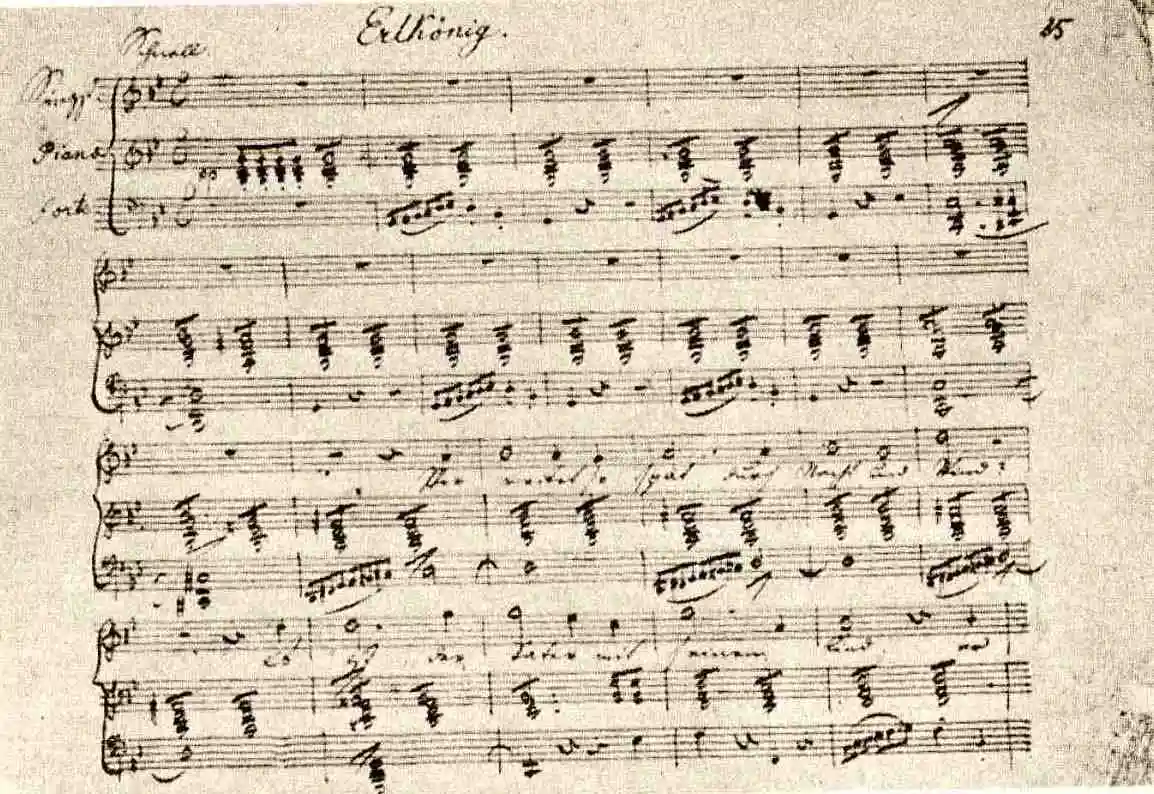
In the art song, the piano plays a crucial role beyond mere accompaniment. It often sets the scene, establishes the mood, or reflects the character of the lyrics. For example, in Schubert’s Erlkönig, the piano creates a sense of urgency and danger with its relentless triplet rhythm, mirroring the panic of the narrator. Similarly, in Fauré’s Clair de Lune, the piano evokes the dreamy, impressionistic imagery of the moonlight described in the poem.
The piano’s role is not simply to support the singer but to actively collaborate with the voice, creating a symbiotic relationship that enhances the text and deepens the emotional impact of the piece.
Famous Examples of Art Songs
Some of the most celebrated art songs have transcended time and remain staples of the classical music repertoire today. Here are a few iconic works:
- Franz Schubert – Erlkönig, D. 328
This dramatic song is based on Goethe’s poem about a father and son who encounter a supernatural figure on a stormy night. Schubert’s relentless piano accompaniment mirrors the urgency of the narrative, while the vocal lines switch between the various characters. - Robert Schumann – Dichterliebe, Op. 48
This song cycle, meaning “A Poet’s Love,” is one of Schumann’s most beloved works. It explores the themes of love, longing, and heartbreak through a series of songs that beautifully combine lyricism and emotional depth. - Claude Debussy – Beau soir (Beautiful Evening)
A quintessential example of the French mélodie, Debussy’s Beau soir captures the beauty and serenity of the evening sky. The piano accompaniment flows like a gentle breeze, and the vocal lines float effortlessly, creating an ethereal atmosphere. - Gabriel Fauré – Les berceaux (The Cradles)
Fauré’s art song often embodies grace and sophistication, as exemplified in Les berceaux. The song evokes the image of cradles rocking by the sea, and the piano mimics the motion of the waves with its rolling arpeggios.
Why Art Song Matters Today
Though the art song tradition is rooted in the past, it continues to thrive today, both through performances of the classic song cycles and in the creation of new works by contemporary composers. Modern composers like John Adams, George Crumb, and Jennifer Higdon have written new art songs that explore everything from existential themes to pop culture, showing that the genre is not only alive but evolving.
Art songs are also making their way into more accessible settings, thanks to platforms like YouTube and streaming services. They are performed in concert halls, universities, and even in more casual settings like house concerts, allowing audiences to experience the deep emotional resonance of this intimate art form.
The art song remains a cherished part of the classical music world, valued for its delicate balance of music and poetry, as well as its deep emotional resonance. Whether through the intense dramas of German Lieder or the elegance of French mélodie, art songs offer a unique window into the soul of the composer, the poet, and the performer. For anyone interested in the fusion of literature and music, the art song is a genre that continues to inspire and captivate, ensuring its place in the classical music tradition for generations to come.
