
This week, the Berlin government made a seismic decision that sent shockwaves through the city’s vibrant cultural scene: a multi-billion euro budget reduction that includes significant cuts to the arts and culture sector. As part of a broader effort to balance the city’s budget, the Berlin Senate announced it would reduce funding for the arts…
This week, the Berlin government made a seismic decision that sent shockwaves through the city’s vibrant cultural scene: a multi-billion euro budget reduction that includes significant cuts to the arts and culture sector. As part of a broader effort to balance the city’s budget, the Berlin Senate announced it would reduce funding for the arts by around 130 million euros, a drastic move that is causing widespread concern among cultural institutions, artists, and the public.
Berlin is widely regarded as one of the world’s great cultural capitals, a city whose cultural institutions — from opera houses and theaters to galleries and concert halls — attract millions of visitors every year and help define its identity. Yet, as the cost of living rises and the city grapples with economic pressures, the arts are being asked to bear the brunt of the cuts.
The Scope of the Cuts: A Hard Blow to Berlin’s Cultural Landscape
The cuts to the arts budget represent roughly 12% of the overall funding allocated to cultural initiatives in the city. While the precise details are still being ironed out, the implications are already clear: many institutions, including theaters, museums, opera houses, and music ensembles, will have to adjust to significant reductions in their operating budgets.
In real terms, this could mean reduced opening hours, fewer productions, smaller budgets for exhibitions, and even layoffs. For smaller, independent artists and cultural organizations that rely on public funding, the cuts may prove existential. The cultural ecosystem in Berlin is built on a delicate balance of large institutions, like the Berlin Philharmonic and the Deutsche Oper Berlin, and smaller, more experimental spaces that thrive in the city’s creative environment. For these smaller organizations, the proposed cuts are not just a financial challenge but a direct threat to their survival.
The Immediate Reaction: Shock and Outrage
The cultural community’s reaction has been swift and vocal. Prominent figures in Berlin’s arts scene, including directors, musicians, and artists, have expressed their dismay at the cuts. Renowned opera director Barrie Kosky, who has worked with several of the city’s major theaters, made a striking comment in response to the news: “Berlin without culture is just Bielefeld with big buildings.” His words underscore the gravity of the situation — without its cultural heart, Berlin risks losing its identity as a dynamic, world-leading cultural center.
In addition to public statements, protests erupted in the city, including a demonstration at the iconic Brandenburg Gate and several protest concerts. These actions were not just symbolic but a cry for help from an arts community that feels under siege.
The Political Context: Budget Cuts vs. Cultural Investment
The decision to slash the arts budget is part of a broader austerity package aimed at addressing a budget deficit in the city of Berlin. As costs rise, particularly in areas like housing, transportation, and social services, the Berlin government faces tough choices about where to allocate resources. The cultural sector, unfortunately, appears to be a casualty of these difficult decisions.
For many in the arts community, the cuts seem particularly unfair. Berlin is known for its thriving arts scene, which not only enhances the quality of life for its residents but also generates significant revenue through tourism and international cultural exchange. According to studies, the city’s cultural industries contribute billions to the local economy each year. Yet, when the budget crunch comes, it is often the arts that are first on the chopping block — a situation that many argue fails to recognize the long-term value that culture brings to the city’s economic and social fabric.
What’s at Risk: More Than Just the Bottom Line
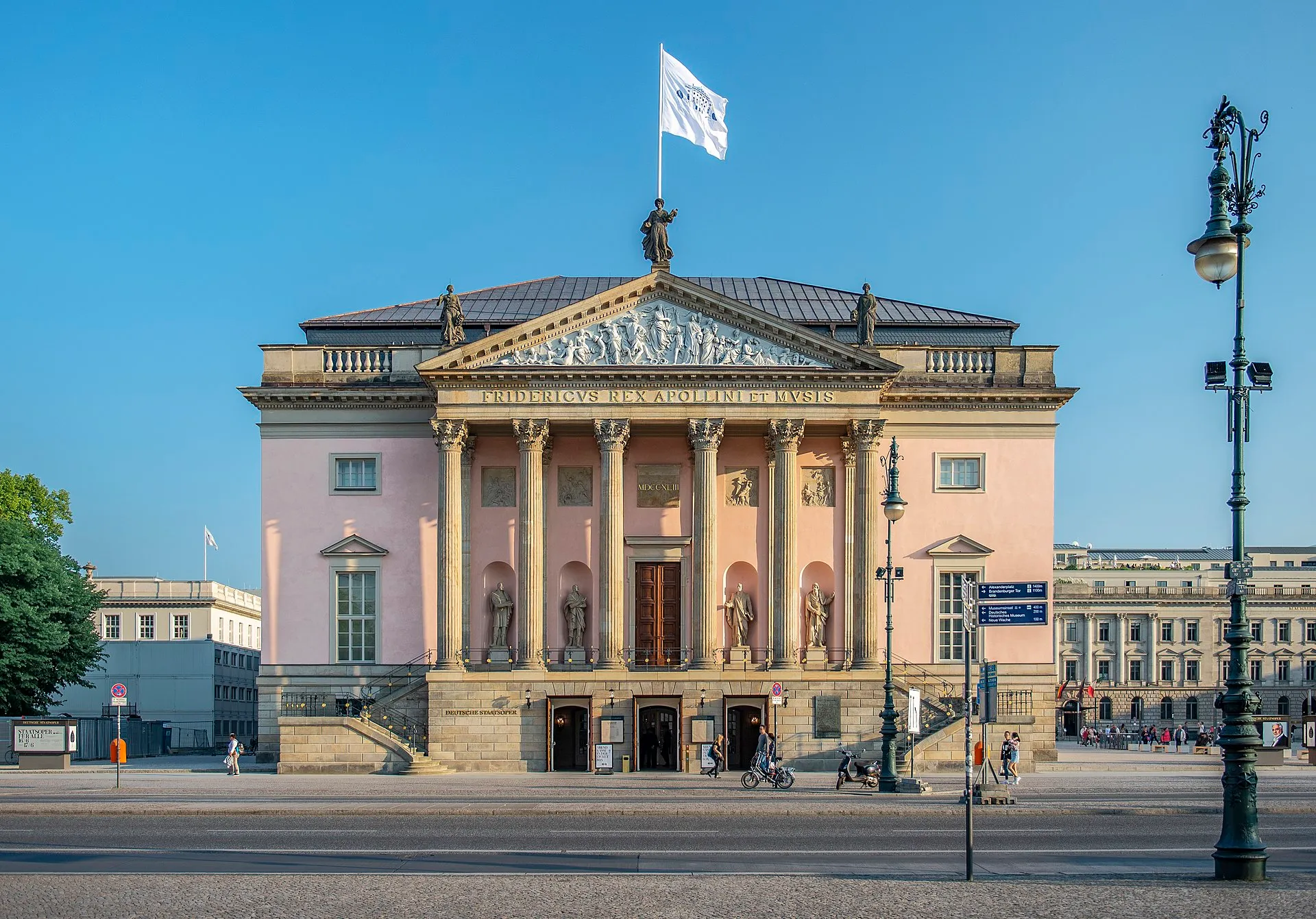
At the heart of the debate is the question of what makes Berlin Berlin. The city is home to world-class cultural institutions that have shaped the trajectory of classical music, theater, contemporary art, and architecture. The Berlin Philharmonic, one of the leading orchestras in the world, is just one example of an institution whose legacy could be threatened by these cuts. The Staatsoper Unter den Linden, which has hosted some of the most prestigious performances in opera history, also faces tough decisions.
But it’s not just the big institutions that are at risk. Berlin’s reputation as a haven for experimental, avant-garde art is also on the line. The city’s independent art spaces, underground theaters, and alternative galleries contribute to a creative ecosystem that is unparalleled in Europe. Reductions in funding could hinder the ability of these smaller, more flexible cultural spaces to thrive, limiting the diversity and range of artistic expression that makes Berlin unique.
Looking Ahead: A Fight for the Future of Culture in Berlin
The battle over cultural funding is far from over. As protests continue and discussions unfold, the question remains: will the Berlin government reconsider its decision, or will the arts community be forced to face an uncertain future?
One thing is clear: the struggle to protect the arts in Berlin is about more than just money. It’s about the city’s soul, its identity, and its commitment to being a center of creative expression. Culture is not a luxury or a secondary concern; it is an essential part of what makes Berlin one of the most exciting and dynamic cities in the world.
The city’s leaders will need to recognize that investing in culture is an investment in Berlin’s long-term prosperity, both economically and socially. As the city’s cultural advocates continue to push for a re-evaluation of the cuts, there is hope that a solution can be found — one that balances fiscal responsibility with a deep respect for the importance of the arts in shaping Berlin’s future.
For now, Berlin’s arts community remains in the trenches, fighting to ensure that its cultural heritage is not lost in the face of economic pressures. The outcome of this battle will shape the city’s cultural landscape for generations to come.
