




The Spanish guitar is an instrument steeped in history. It has long been synonymous with the passionate rhythms and emotional depth of Spain’s musical culture. The evolution of the Spanish guitar genre is a fascinating journey. It spans from the flamenco guitar to classical compositions. This journey reflects the nation’s rich cultural diversity and artistic…

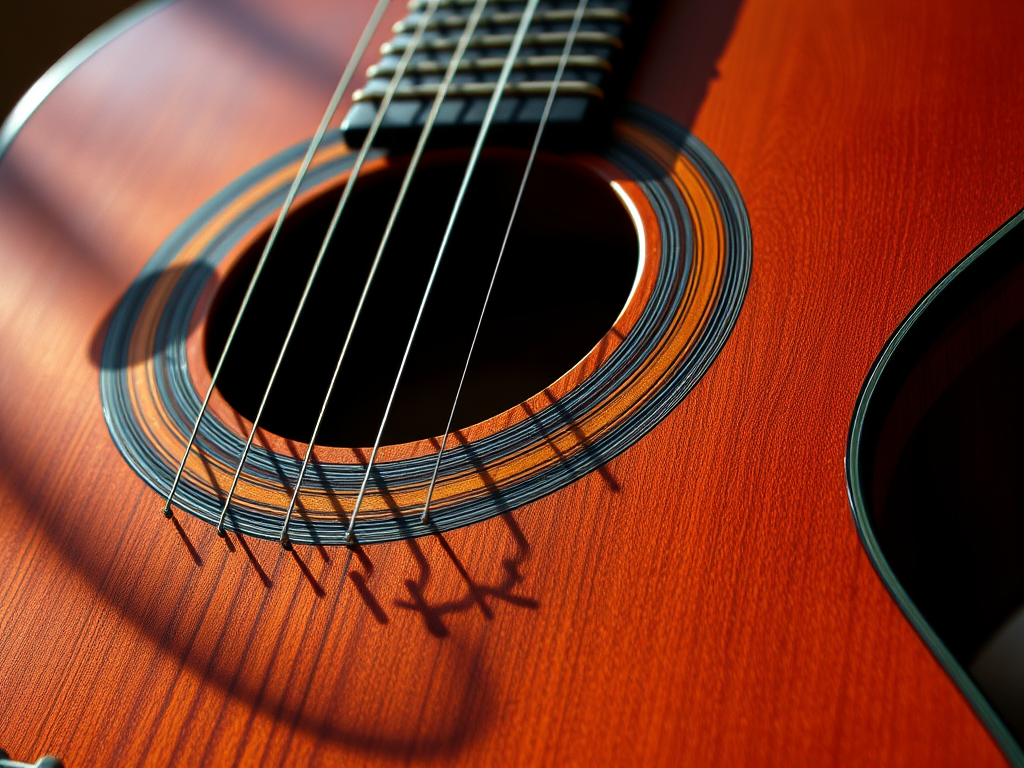
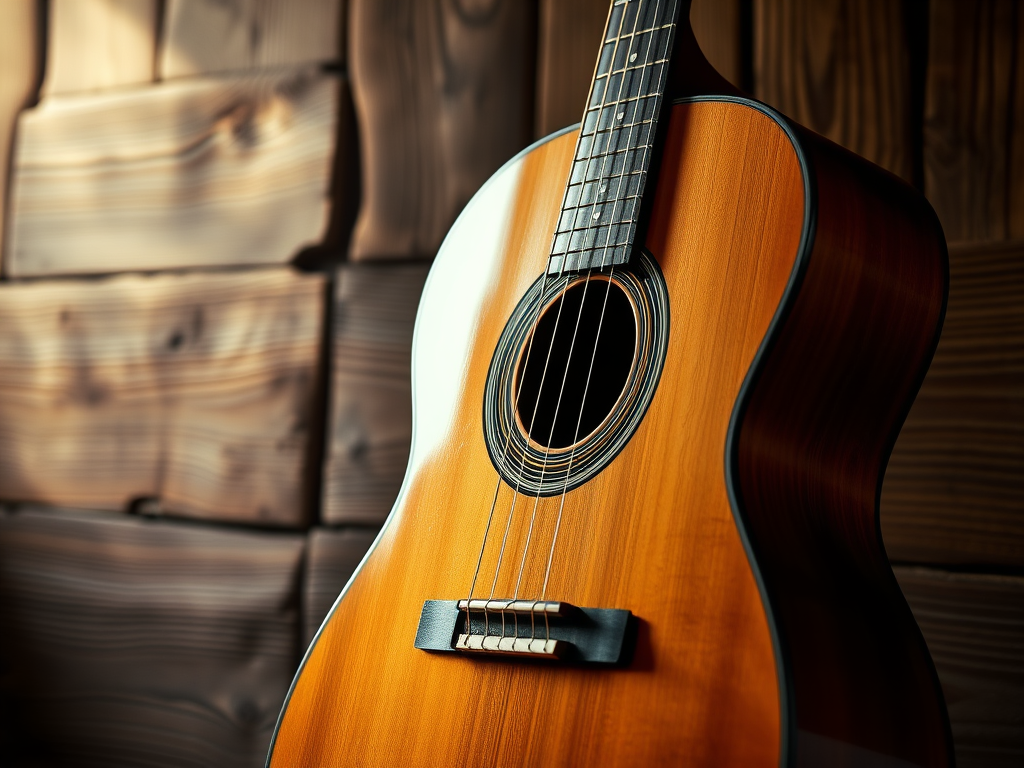
The Spanish guitar is an instrument steeped in history. It has long been synonymous with the passionate rhythms and emotional depth of Spain’s musical culture. The evolution of the Spanish guitar genre is a fascinating journey. It spans from the flamenco guitar to classical compositions. This journey reflects the nation’s rich cultural diversity and artistic legacy. Let’s examine the history of this iconic instrument. We will discover how it became an enduring symbol of Spain’s musical identity.
The Origins of the Guitar
The roots of the guitar can be traced back to the early Middle Ages. Yet, the instrument as we know it today underwent significant transformations over centuries. The history of the guitar itself begins with ancient stringed instruments that were used across the Mediterranean and beyond.
Early Stringed Instruments
The precursors to the modern guitar were a range of stringed instruments that evolved through different civilizations. In Spain, the Arabic oud was one of the earliest influences. The Moors brought it to the Iberian Peninsula during their rule (711–1492). The oud has a round body and a short neck. It had a profound impact on the development of the Spanish vihuela. This 15th-century instrument has a guitar-like shape and tuning. The vihuela became extremely popular in the courts of Spain and was used in both secular and sacred music.
The Renaissance and Baroque Periods
By the 16th century, the vihuela and the lute were predominant in Spain. The vihuela, in particular, was closely linked with classical music, and its popularity spread across Europe. During the Renaissance and early Baroque periods, it was the instrument of choice for composers like Luis de Milán. Alonso Mudarra also favored it. They wrote both instrumental and vocal music for the vihuela.
The transition from the vihuela to the modern guitar began in the late 16th and early 17th centuries. As the Baroque era unfolded, the guitar began to resemble its current form. It had a slightly smaller body and six strings. The instrument became more widely available to the public. It was accessible to amateur musicians and professional players. Though, it wasn’t until the 19th century that the guitar fully emerged as the beloved instrument we recognize today.
The Classical Guitar
The classical guitar has enjoyed a distinguished reputation in concert halls and music conservatories worldwide. Classical guitar music, with its rich harmonic structure and lyrical quality, has captivated audiences for centuries.
The Birth of the Classical Guitar
The classical guitar began to emerge as a distinct genre in the 19th century. It was particularly distinct in the works of Spanish composers like Francisco Tárrega. Tárrega is often regarded as the father of modern classical guitar. He played a key role in developing the technical foundations for classical guitar playing. His compositions, such as “Recuerdos de la Alhambra,” remain staples of the classical guitar repertoire.
The design of the guitar changed during the 19th century. Makers like Antonio de Torres created the modern classical guitar shape. It is characterized by a larger soundboard and a more robust sound. This new design enhanced the guitar’s tonal quality, making it more suitable for concert performances.
The Expansion of the Classical Guitar
By the early 20th century, classical guitar music had expanded to include a wide range of composers. Some of these composers were heavily influenced by the rich folk traditions of Spain. Composers like Joaquín Rodrigo created works that integrated the Spanish guitar’s evocative sound. His famous “Concierto de Aranjuez,” is an example of this integration into symphonic and orchestral compositions.
Classical guitar also gained prominence outside Spain. Guitarists such as Andrés Segovia were crucial. He was born in Spain but spent much of his life performing internationally. He played a pivotal role in bringing the classical guitar into the mainstream. His performances helped establish guitar schools and conservatories. This ensured the future of classical guitar education and performance.
The Rise of Flamenco
While the classical guitar was gaining prominence in the concert halls of Europe, another side of the Spanish guitar was developing in Spain’s southern region of Andalusia: flamenco.
The Birth of Flamenco Guitar
Flamenco is deeply rooted in the diverse cultural influences of Spain, particularly the Gypsy, Moorish, Jewish, and Andalusian communities. The precise origins of flamenco are somewhat murky. Still, it is widely accepted that the genre developed in the 18th century. It emerged from the fusion of various folk music traditions. Flamenco music is characterized by its passionate rhythms, highly expressive melodies, and improvisational nature.
The flamenco guitar evolved alongside the music itself. Flamenco guitar differs from classical guitar, which emphasizes technique and melodic structure. Flamenco is driven by rhythmic intensity and emotional expression. The instrument’s bright, percussive sound became synonymous with flamenco performance. This sound is achieved through fast strumming (rasgueado), fingerpicking (picado), and tapping the body of the guitar (golpe).
The Golden Age of Flamenco
The 19th century saw the rise of flamenco as a popular art form. Guitarists such as Ramón Montoya, considered the father of modern flamenco guitar, played a significant role in shaping the genre. Montoya’s virtuosity and innovations elevated the guitar’s role in flamenco performances. Techniques like rasgueado and picado made the guitar central to the genre.
As flamenco spread throughout Spain and beyond, its influence grew, especially in the early 20th century. Artists like Andrés Segovia and Paco de Lucía brought the flamenco guitar to the world stage, pushing the boundaries of the genre and gaining international recognition. Segovia, though more associated with classical guitar, often incorporated flamenco into his performances, while Paco de Lucía revolutionized the genre with his virtuosity and fusion of flamenco with jazz elements.
Today’s Spanish Guitar
In the late 20th and early 21st centuries, the Spanish guitar genre has continued to evolve and adapt to the changing musical landscape. The genre has seen a wave of fusion with various other styles, including jazz, Latin American, and even rock music.
Artists like Paco de Lucía pushed the boundaries of flamenco by incorporating elements of jazz and world music into his performances, while others like Ottmar Liebert and Jesse Cook brought the sound of the Spanish guitar to contemporary global audiences, blending flamenco with New Age and world music.
Today, the Spanish guitar is as versatile as ever, influencing everything from pop and rock music to film scores and electronic music. The enduring popularity of the Spanish guitar attests to its adaptability and its power to evoke profound emotional responses from audiences around the world.
The history of the Spanish guitar genre is as complex and diverse as Spain itself. From its ancient roots in the Moorish oud to its role in flamenco and classical music, the Spanish guitar has undergone countless transformations, each contributing to its distinct sound and global appeal. Whether it’s the rhythmic passion of flamenco, the delicate melodies of classical guitar, or the contemporary fusions that define the modern era, the Spanish guitar remains an iconic symbol of Spain’s musical legacy, resonating with audiences worldwide.
As the Spanish guitar continues to evolve, one thing is clear: its melodies will forever be adored by audiences across the world.


